“Glory is fleeting, but obscurity is forever.” – Napoleon Bonaparte.
GOLD MEDALS, ZERO DEPTH: HOW GUILD ESPORTS PERFECTED THE HIGH DIVE INTO A DRY POOL!
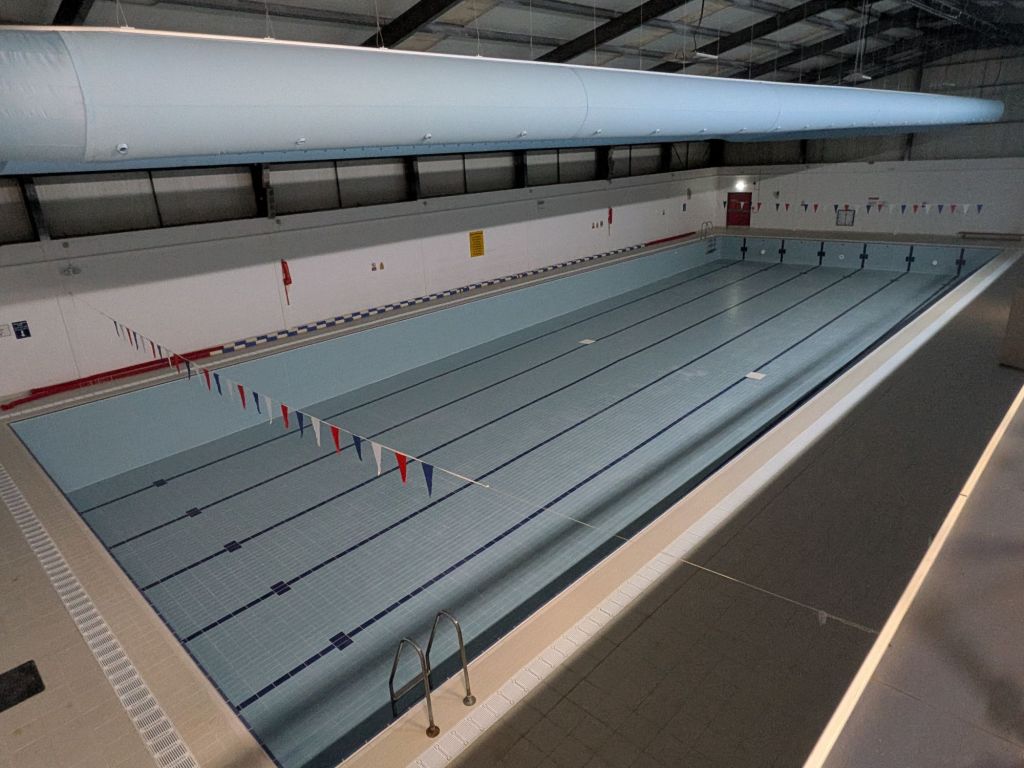
In order to truly appreciate the rise and fall of Guild Esports, let me tell you about one of the greatest facilities here at Mount Pleasant Airfield. Yup, at time of writing I am still here on the Falkland Islands. This is day 12 of at least 120, and perhaps island cabin fever is setting in on one of the greatest wonders of the wildlife world. Talking of wonders, there is a half mile long corridor, built in 1985, strangely named the “Death Star Corridor” (more about that beauty in future episodes!). Halfway down is the Station Gymnasium, where the young are on Op MASSIVE and the middle aged (hi!) are on Op Stop the Middle Aged Spread. Carry on walking and you’ll find one of the greatest swimming pools in the whole of the Southern Hemisphere. Opened by the alleged favourite son of Queen Elizabeth II and Falklands War hero, Prince Andrew, in 1985, it wasn’t fully operational until 1986. Some might say good things come to those who wait…
This swimming pool is a staggering 33 metres long and, depending on who’s jumped in it, holds between 600,000 and 750,000 litres of water. That would be enough to fill… this pool. Or, roughly 300 double decker buses. If I were going to swim from here to Elgin, I’d have to complete 393,303,030 lengths of this pool. If my maths is correct, and it rarely is, at a steady pace of 100 lengths (3.3km) a day, it would take me roughly 10,775 years to reach Elgin.
Yes, this thing is an oasis. The sheer weight of all that beautiful, soft, treated water, sitting stable on a rocky, windswept island in sub Antarctic weather, is a marvel of British military stubbornness.
Except… it isn’t. Right now, that oasis is empty. Like the promise I was told when I packed my Speedos, earplugs and goggles for the journey down here. My dreams of burning some calories cruising up and down the lane doing my finest, half arsed breaststroke were gone. Somehow, it’s broken. A crack, maybe some tiles dropped off. Looking at an empty swimming pool is genuinely sad. They’re happy places that are full of fun, memories, firsts: first length, first width, first kicks. Sure, there were knock backs and tears along the way, but swimming to the bottom to pick up that black brick, or treading water in your pyjamas in case the fictitious sinking boat you’re on is exactly why you’re dressed like that? Yeah, it’s all coming back to me.
But not this one. No rivals to chase, no snake of swimmers clogged up behind my pathetic lane swimming attempt. Just one ginormous, empty promise. Which, when you think about it, is a surprisingly good way of describing Guild Esports.
WHO WERE GUILD ESPORTS?
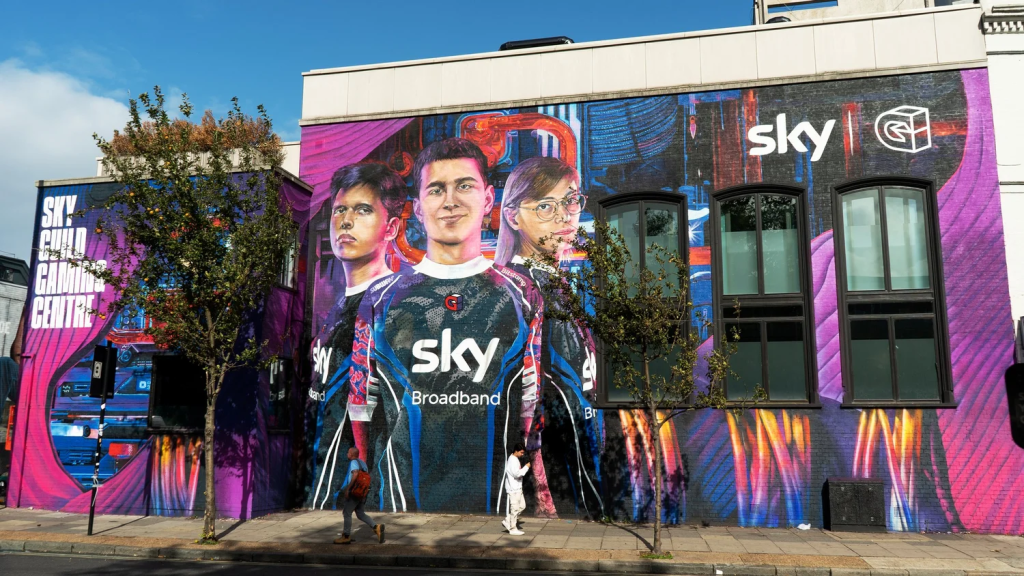
Guild Esports was not a failure when it came to gaming. Oh no. Far from it. They had silverware in the cabinet. They had a squad of world class digital assassins. They had an outrageously lavish facility in Shoreditch. They had David Beckham’s actual face attached to their brand to help with recruitment, retention, and looking terribly handsome on billboards. And they had institutional investors writing cheques the size of those oversized cardboard ones you only ever see on BBC Children in Need. You name it, they had it. On paper, they were absolutely, terrifyingly formidable.
Then came August 2025. They dropped a single message on X that instantly snuffed out their short, loud, exceptionally expensive rise as a UK force in esports. No grand fanfare. No heroic thank you and goodbye lap of the track. No David Beckham photo op. Just a sterile, soulless social media post announcing that Guild Esports & Gaming Ltd was shutting down all operations, effective immediately.
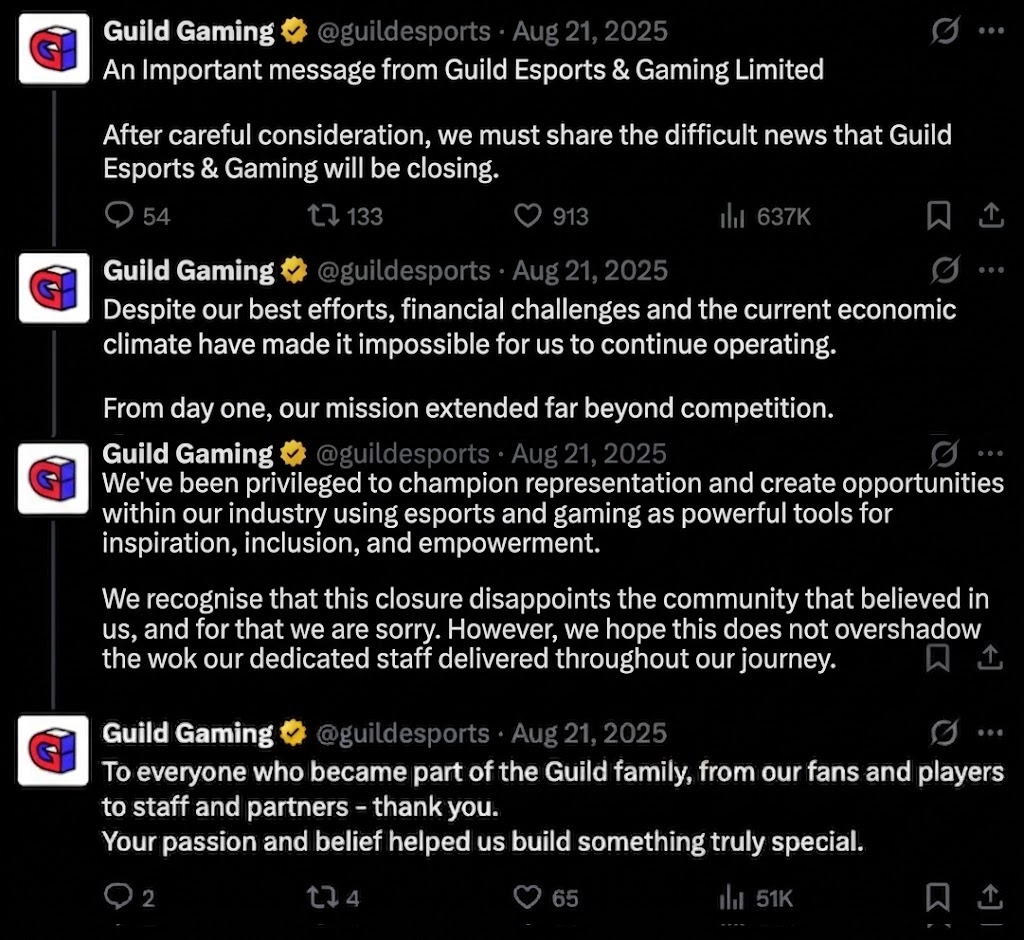
In less than five years, they had managed to speedrun the entire lifecycle of modern corporate arrogance: from a roaring, high profile flotation on the London Stock Exchange straight into an unceremonious, head first liquidation, leaving behind a set of empty, neon lit rooms in East London and a staggering £2.3 million crater of unpaid bills owed to creditors, staff and freelancers.
To understand how a company backed by tens of millions of pounds and actual global sporting royalty managed to end up flat on its face, you have to look past the neon signs and get into the actual, catastrophic mechanics of the collapse. Because underneath all that glamour, this was a swan dive into an empty pool. Our pool, as it happens. You know the one. Without water.
And the mechanics start, oddly enough, not in a boardroom but in the replies. Now, you’d be forgiven for expecting a tearful farewell in the comments from the fans of the franchise. A soft focus barrage of “thanks for the memories” and “burned bright, burned fast.”
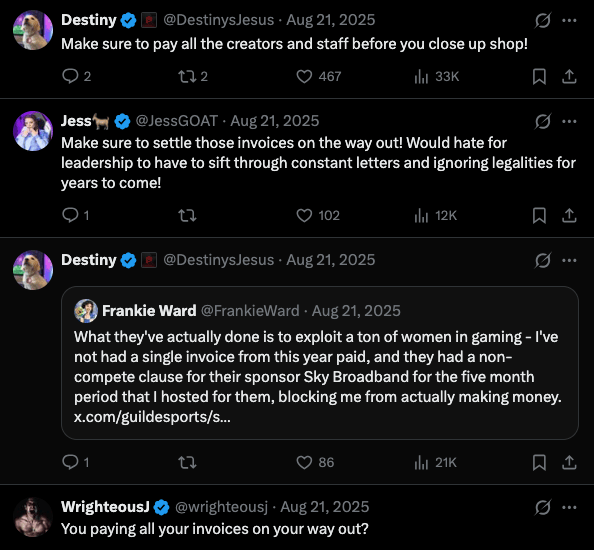
As you can see, the comments were anything but that. While Guild’s official PR machine had spent five years pumping out tweets that were pristine, polished and nauseatingly shiny, pulling back the velvet curtain revealed something altogether darker. There was no hiding from the carnage as creators, tournament hosts and freelance broadcast talent flooded the replies with their own payment requests and horror stories. It wasn’t a respectful funeral for an esports heavyweight that had fought with the very best. This was a riot.
It caught me completely off guard. But as I started draining this particular corporate pool, peeling back the tiles to see the cracks and imperfections underneath, the absolute horror of it started to make complete and utter sense.
So let’s start at the beginning, because the crack in this pool didn’t appear overnight.
PHASE 1: BUILDING THE POOL (2019)
Let’s go back to September 2019. Please, refrain from betting and the use of any almanacs here. We are here to gaze at corporate esports magnificence and not change the timeline in a Back to the Future way or splinter a new one in a Marvel Multiverse kind of way either. A new PLC, going by the name The Lord Esports PLC, was floated by a team of venture capitalists. It was essentially a cash shell with no operating facilities, no teams and no players.
The term venture capitalist usually comes with some pretty strong descriptors. Words like Predatory, Parasitic, Corporate, Exploitative, Untrustworthy, Vulture like and Phony usually rise to the top. Oh and Condescending. It isn’t surprising when you look at the dictionary definition:
Venture capitalist (noun): A person or company that invests money in new businesses or start ups, especially those that involve high risk, in exchange for an ownership stake or equity.
However, not everyone knows what they are or what they do. Let me try and keep it PG13. A venture capitalist in Esports is a bit like an overly optimistic talent scout who spots an entirely blank spreadsheet. A literal cash shell that comes with zero players, zero servers, and zero teams, and decides it’s the next multi million dollar dynasty. They don’t know your K/D ratio or what a tactical timeout is, but they will happily inject a massive pile of funding into a brand new corporate entity just to see if a flashy logo and a public stock listing can magically manifest a world class roster. When those teams actually grind it out, win championships, and hoist the actual trophies, the Venture Capitalist is the one right there on stage photobombing the celebration, looking remarkably pleased with a roster that’s now champion at a game they’d never so much as heard of a year ago, while quietly keeping one hand firmly planted in your pocket to calculate their return on investment down to the last penny.
Anyway, the spreadsheet in question here is named The Lord Esports PLC. In late 2019 there was a slight name shift. The shell company was briefly renamed LSports Enterprise Ltd as promoters structured seed investments and prepared to bring in corporate directors.
I can hear you now, what the heck are seed investments? Corporate Directors? How was this company running before they even bought a PS3? In plain English, that line is describing the ‘behind the scenes’ financial paperwork required before the venture capitalists actually put their money into the project.
Allow me to translate. Before anyone actually spent real money, three things happened behind the scenes. The empty shell got a fancier name to look legitimate on paper: LSports Enterprise Ltd (an empty box with a bow on it). The “promoters” were financial deal makers, essentially working out how to funnel the first bags of cash in without breaking any laws. And because a shell company has no actual humans running it, they had to hire some real executives to sit on the board and take the blame if it all went wrong.
Then, in June 2020, Beckham’s people came knocking… or rather, Guild’s people went knocking on his. DB Ventures, Beckham’s image rights company, signed on for what would become known as the Ambassador Deal. Instead of Beckham founding the team with his own money, the corporate shell committed an estimated £12 million or more over five years. Not for his skills, his squad, or his sweat, but simply for his name and his face. Insanity.
Imagine standing in your Speedos, goggles and earplugs at the bottom of the bone dry, cracked concrete bowl of the Mount Pleasant swimming pool, staring at a tumbleweed and an old crisp packet while everyone around you is freezing. Instead of actually fixing the plumbing or filling it with water, the financial gurus decide to hire David Beckham just to stand at the edge of the empty pit, point down at the dust and yell, “This is going to be the greatest waterpark on Earth!”
Except Beckham isn’t even putting his own cash on the line to build a slide; instead, your empty little corporate shell has legally committed to handing him an estimated £12 million or more over five years, just for the right to use his name, face and brand hype to convince people there’s totally an ocean down there. You’re left standing in the dirt with zero water, zero facilities and a multi million pound bill, while everyone cheers for the guy waving from the rim in a designer suit.
Phase one was now completed. The big cracks in the foundations had been temporarily papered over. With that, the Venture Capitalists now moved onto Phase 2 and filled the pool, eager for returns on their investment.
PHASE 2: BRIMMING IT (2020)
Filling a paddling pool up for my kids a long, long time ago was quite exciting. Watching them launch their flip flops, dance in front of the hose, and lie down on the floor of it, waiting for the cold water to eventually envelop their faces for a brief second before spluttering for air. There’s real joy in that chaos, especially looking back.
Those feelings would’ve been very similar for the board of directors at Guild Esports during this phase. By April 2020 they were now officially Guild Esports. Lords Esports was in the rear view mirror as they sought to be an authentic force for good in the world of esports. Take their name, Guild. The word ‘guild’ refers to an association of people with similar interests, pursuits or aims. It is literally trying to build a player and loyal fan base on the back of the name alone. The people at the top knew how to lure their target people in by perhaps pulling at the heartstrings of gamers.
It didn’t hold. By spring 2024, Guild’s cash reserves had plummeted to a terrifying £17,000 against millions in liabilities, triggering formal “going concern” warnings. The Counter Strike team was unceremoniously dumped after just six months. Cost cutting descended into farce when the org faced a public grilling for announcing their Apex Legends roster using cheap, low budget AI art.
During this research and writing phase, I have thought about those guys at the top who were in charge of delivering this project, sometimes whilst staring at the empty pool for a little inspiration. I fully believe that if I were to utilise their visionary skills and pull people into our pool down here in its current state, a statement of intent would read:
“Introducing: The Ultra Low Humidity Aquatic Zone”
Why let water slow down your lap times? Guild is disrupting traditional swimming by eliminating liquid drag altogether. Experience zero resistance diving, 100% dry land aerodynamics, and a maintenance free ecosystem right here at MPC. It’s not ‘out of order’; it’s optimised for pure performance.
This is all about painting a vision for your audience. Everything I have written is factual, reported accurately, but framed in a way designed to intrigue you, spin a flaw into a feature, and challenge your perspective of what is right and normal. These amazing minds were now in full swing with their delivery of Guild, genuinely trying to build the best they could with the investments at hand. And the potential? Limitless.
We soon arrived at the key date of June 26th 2020, and things were getting real in that strange, suspended summer of lockdown. I had just completed my Typhoon FGR4 Weapons Q Course at RAF Coningsby, and Guild Esports? They had officially launched, pitching to the world that they weren’t just a gaming academy. No way, they were elite, and backed by sporting superstar David Beckham.
This was a launch off the highest diving board they could find. They were pitching a vision of global, elite dominance. A talent pipeline built like a premier football club, backed by none other than David Beckham himself. This news in the world of esports was deafening, and the press releases coming out of Guild Esports were captivating. If this were water in our pool, then it looked deep, crystal clear and bottomless. It would’ve essentially made our empty tub look like an infinity pool, looking out over the… uh… sights of Mount Pleasant. Looking back now, you have to admire the sheer confidence of a release like this. They had the branding, the superstar backing and the big budget ambition to make the biggest splash esports had ever seen.
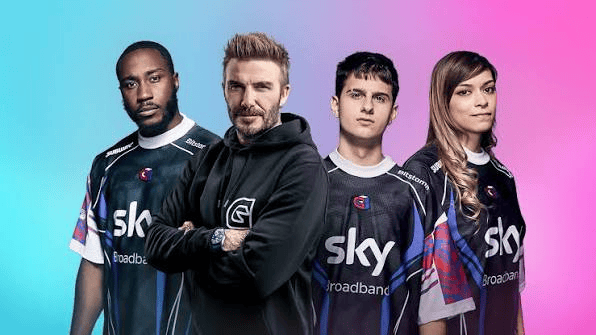
October 2nd 2020, and Guild Esports was doing things that others hadn’t even thought of: floating on the London Stock Exchange. For a business, this was a fantastic way to raise capital, and raise capital it did. By becoming the first esports company to do so, they managed to raise £20 million, valuing the company at £41.2 million.
Context is a wonderful thing here. This company, with no history, no track record, and stacked with vibes, hopes and thrills, is valued at £41 million? Imagine, if you will, the mid 1990s. Manchester United are a footballing colossus with a hundred years of history, a cathedral of a stadium at Old Trafford, and a squad of men who could kick a Mitre Ultima Premier League match ball into a net better than almost anyone on Earth. Floated on the London Stock Exchange, the price tag for this gigantic, match winning, trophy hoarding empire was a modest £47 million. Fast forward nearly thirty years to 2020. Guild Esports decides it, too, wants to sell shares to the public. What did Guild bring to the party? A stadium? No. A century of legendary triumphs? Not even close. It had been in existence for about twelve minutes, owned a few gaming chairs, and had persuaded David Beckham to lend his face to the banner. Yet, somehow, the city geniuses in pinstripe suits slapped a launch price on it of £41.2 million. That is virtually the exact same money for a fledgling group of teenagers playing video games in their bedrooms as for Manchester United’s entire football club! It is the financial equivalent of trying to sell a secondhand Ford Fiesta for the price of a brand new, hand crafted Aston Martin simply because you stuck a nice air freshener in the rear view mirror. Oh, but that was 1991, I hear your inner voices saying. Well, present day sports team valuations?
Imagine walking into a room full of suits in 2020 and telling them you have a sports franchise worth £41 million. If you own Charlton Athletic, Wigan, or Reading, that makes total sense. You are handing over a proper, living, breathing football institution. You get a massive 25,000 seat steel and concrete stadium, a sodden grass pitch, turnstiles, a hundred years of agonising heartbreak, and thousands of bloke in a coat fans who will buy season tickets regardless of how utterly hopeless the team is on a wet Tuesday night. In fact, £41 million is roughly what it costs to buy Cádiz in Spain, RC Lens in France, or Melbourne Victory down in Australia. Actual sports teams with real grounds, global TV rights, and trophy cabinets.
Now, look at Guild Esports. When they asked the stock market for that exact same £41.2 million, you weren’t buying a stadium. You weren’t buying a pitch. You weren’t even buying a single physical turnstile. You were buying a four month old startup with an office lease, a few gaming headsets, and David Beckham’s face printed on a poster. It remains, without question, one of the most astonishingly unhinged moments in modern British financial history.
PHASE 3: ALL SPLASH NO POOL (2021-2022)
By the start of 2021, I was settled into my role at IX(B) Squadron, RAF Lossiemouth, and my brain was wired for pure operational logistics. In military aviation, you don’t deploy an asset without the infrastructure to back it up. You check the supply lines, you audit the airframe, and you make sure the runway actually exists before you request launch clearance.
Over in London, Guild Esports was running a very different playbook. Fresh off their flotation on the LSE, Guild hit the transfer window like a team handed an uncapped credit card and the keys to the shop. Between late 2020 and early 2021, they went on a recruitment spree that had the entire esports world sit up and take notice.
And on paper? It worked. The talent scouting was undeniably elite:
- March 2021: They signed Fortnite phenom Hen, who promptly went out and conquered the Fortnite Champion Series (FNCS) EU Grand Finals.
- April 2021: Their newly assembled Rocket League roster (featuring heavy hitters like Deevo, ThO, and Noly) dominated the RLCS EU Spring Regional.
Trophies were coming in, the PR machine was humming, and the investor updates looked like a triumph.
What Guild was doing was the corporate equivalent of walking up to a completely empty, bone dry swimming pool, like the one out here at MPA, and instead of plumbing the pipes or checking the water supply, they were spending millions installing gold plated diving boards, LED scoreboards and hiring Olympic calibre diving coaches.
The dives themselves? Absolutely 10/10. Flawless execution. Perfect rotation. World class technique. The problem was the landing. In esports economics, winning trophies doesn’t magically fill the pool with water. Most of the prize money goes straight to the players, while player wages and high profile contract burn rates swallow company capital whole. Guild had assembled a championship team to stand around the edge of an empty pool, holding up silver cups in front of an audience wondering why nobody was actually swimming.
It was spectacular sport. It was brilliant entertainment. But as a business model? They were leaping straight into bare concrete, relying on gravity to do the jumping and good vibes to do the landing.
PHASE 4: THE LEAK BECOMES A TORRENT (2023-2024)
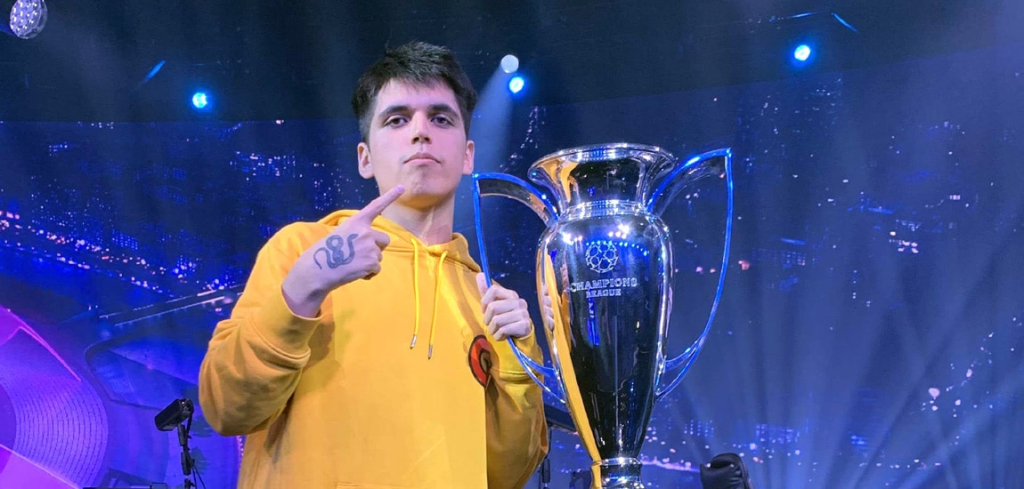
The very foundations of the business had now begun to crack under the weight of executive salaries, Shoreditch rent and celebrity licensing. Yet the sporting high notes stubbornly kept coming. In May 2022, Nicolas99fc lifted the FIFA eChampions League trophy. More silverware for a cabinet sitting on a foundation of sand.
By September 2022, the panic had already set in. The burn rate was so severe that Guild had to go cap in hand back to David Beckham’s team just to renegotiate his multi million pound contract downward to keep the lights on. Desperate for revenue, they launched “Guild Studios”, pivoting into a creative agency servicing brand campaigns for the likes of Sony Pictures and Subway. It was the corporate equivalent of renting out the dry pool deck for sunbathing because you couldn’t afford to run the pumps.
Yet, old habits died hard. In a classic display of top line bravado, they signed the Kosovar Counter Strike roster, Bad News Eagles, in late 2023. Another headline grabbing pickup, another heavy wage bill dropped onto a collapsing balance sheet.
The high diving champions were officially out of altitude.
PHASE 5: FIRE SALE & LIQUIDATION (2024-2025)
The crash, when it came, was swift. In October 2024, US investment outfit DCB Sports bought 100% of Guild’s operational assets for just £100,000 in cash while taking on roughly £2 million in debt. The original PLC was delisted from the London Stock Exchange, effectively wiping out the retail investors who had bought into the 2020 dream.
The final curtain fell in August 2025 with a brief, sterile closure post on social media. What followed was a wave of public anger. Freelance broadcast talent, tournament hosts and content creators flooded social feeds, exposing months of unpaid invoices, ignored emails and restrictive non competes that had stopped them from earning elsewhere while Guild kept up appearances.
By September 2025, liquidators filed the final Statement of Affairs at Companies House. The firm went under owing £2.3 million to creditors, including £1.7 million to unsecured freelancers and contractors, £125,000 to staff, and over £540,000 to HMRC.
THE FINAL SPLASH
Standing out here at Mount Pleasant, looking at a literal empty swimming pool, the story comes full circle.
Guild Esports launched with a splashy LSE listing, superstar branding, gold plated diving boards and genuine championship trophies. But they mistook venture capital hype for sustainable water. They spent millions building an elite aquatic resort without ever securing a reliable supply to fill the basin.
When you dive from a 10 metre board into an empty pool, it doesn’t matter how flawless your form is, how expensive your swimwear was, or how many gold medals are waiting for you on the poolside. The concrete wins every single time.
I’m not building anything close to a £41 million company. I’m hoping to open a six station gaming shop. But Guild’s story isn’t really a lesson about scale, it’s a lesson about soul, and that applies just as much to six stations as it does to sixty.
Guild’s whole story is what happens when “later” never comes. The diving board doesn’t need to be gold plated. It just needs a pool underneath it. But underneath the spreadsheets and the share price, there’s a simpler failure: they made promises they had no real plan to keep, to players, to freelancers, to fans who bought into the dream at 8p a share. They treated talent like assets to be acquired and discarded rather than people to be nurtured, signing headline names one year and quietly dumping the roster six months later when the numbers didn’t add up. Somewhere between the flotation and the liquidation, Guild swapped need for greed, and swapped people for PR.
That’s the lesson I want to carry into my own six station arena, however small it may end up being. Not the branding, not the trophies, not even the gold plated diving board at the MPA pool! I want the simple thing, the water underneath it. Keeping my promises, treat the people who show up for me like people, and build something with a bit of soul in it. Because in the end, the concrete doesn’t care how good your marketing was. It only cares whether there was ever any water there at all.


Leave a comment